
Materials
In the eTextiles Lab we have a range of different materials, both conductive and non-conductive, that can be used when creating projects.
Yarn
In the lab, we have a range of yarns for you to use when practicing or for small scale projects. If you are making a large project please buy your own yarn or speak to Rosie or Agnes first.
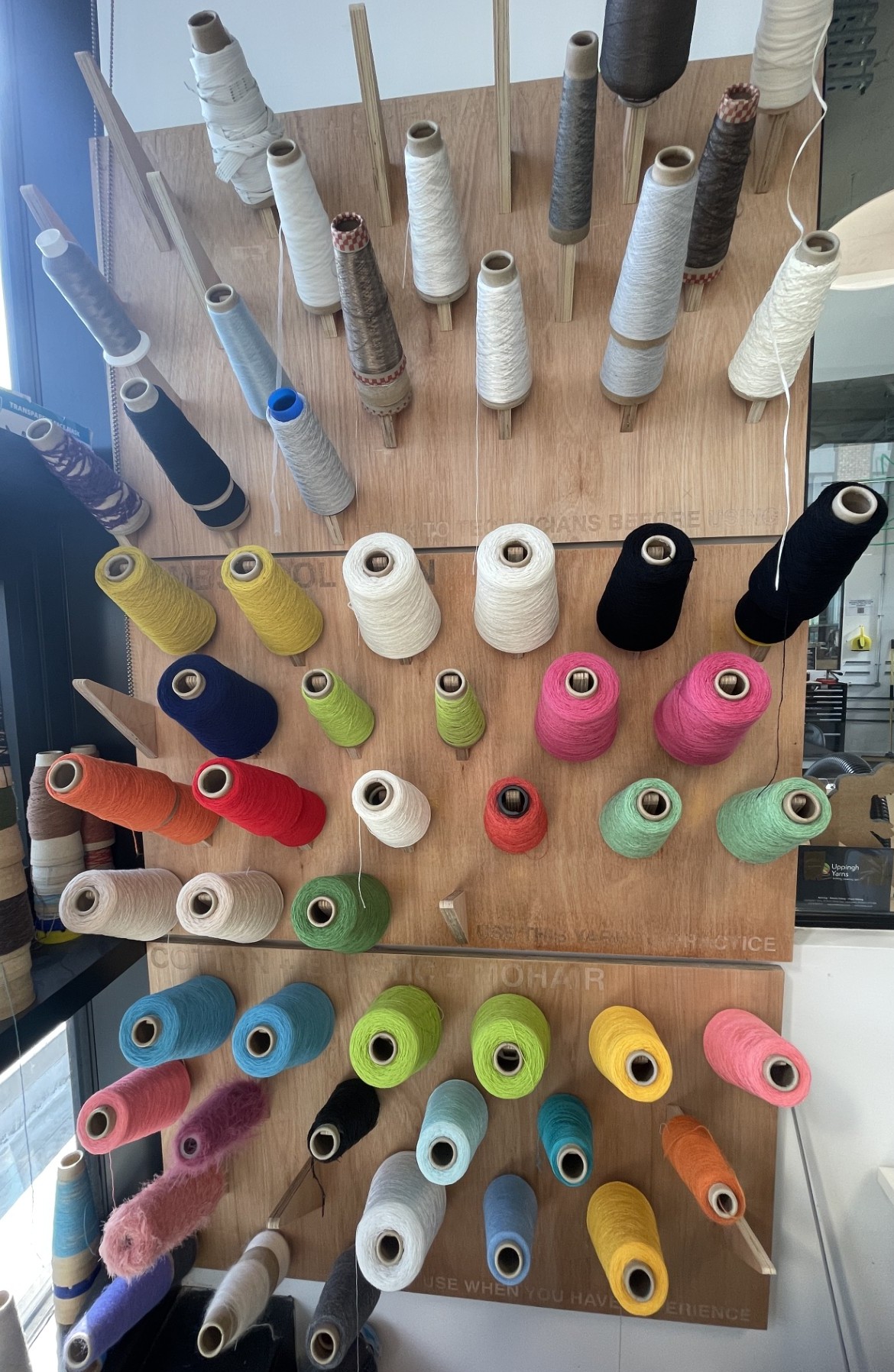
Lambswool (middle board)
We mainly stock Uppingham Yarns 100% Lambswool Yarn, 2/17Nm (2-ply) in a range of colours. This is what you should use when you are starting out practicing as it breaks easily so will not damage the machine if you get into a big tangle.
Cotton and Synthetic Yarn (bottom board)
We also have a selection of other yarns including cotton, mohair, and other (mostly) synthetic yarns. Before using these you should be reasonably confident with the machine as they are more likely to tangle and don't tend to break as easily as the lambswool so are more likely to damage the machine.
Speciality Yarn
(top board)
We have a variety of specialiy yarns including:including (but not limited to):
Steel & polyester conductive yarn
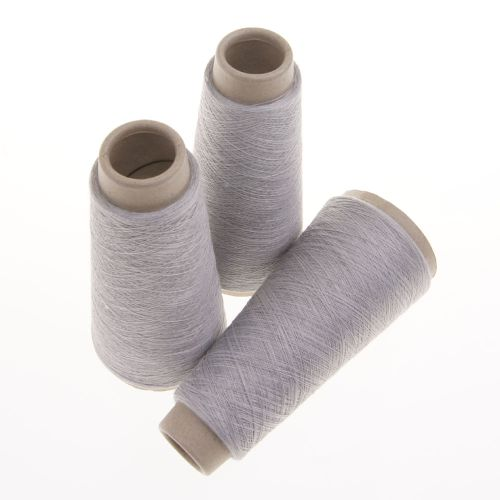
This yarn is made from 80% polyester and 20% steel spun together to create a conductive yarn. Because of the low metal content, this cannot be used for sewn circuits but is perfect for use as a stretch sensors or connected to a capacitive touch sensor.
Because of the partial metal content, this yarn acts as a variable resistor under tension as the metal fibres are pulled together, allowing electricity to flow more easily. This makes it perfect for stretch sensors when used in combination with a voltage divider (find out more here).
More info here.
Grilon Thermoformable Yarn
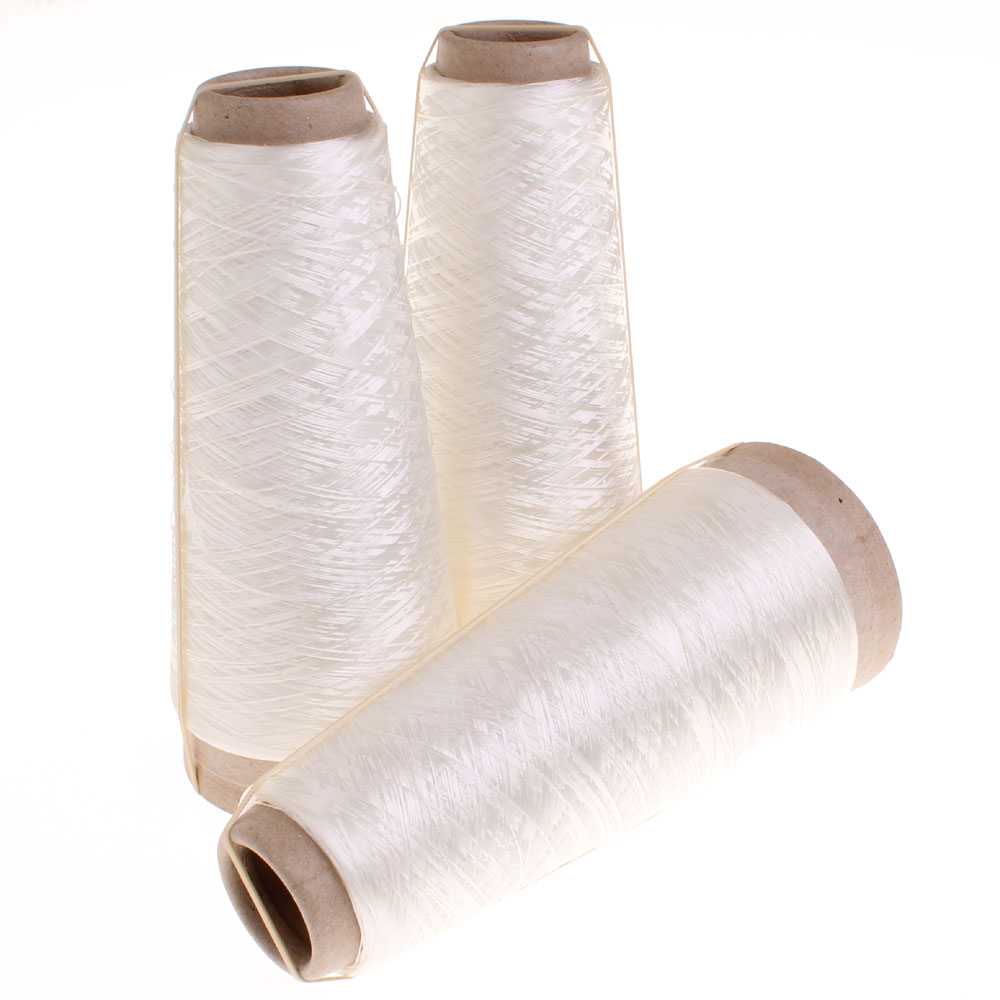
Grilon pure fusible bonding yarn is a low melt Nylon, copolyamide multifilament, used for technical applications in the textile industry worldwide. This low melting fusible yarn can be used for moulding knitted fabric into a shape. At 85oC, this thermoformable yarn will melt, becoming a bonding and adhesive agent.
Some possible applications are: bonded hems, various seams, patch pockets, trouser waistbands, in bonded sewing thread - bratubes, edge bonding for lace and elastic fabrics, iron-on embroidery and thermo-adhesive labels.
More
Non-conductive
info here.
InSolvron Dissolvable Yarn
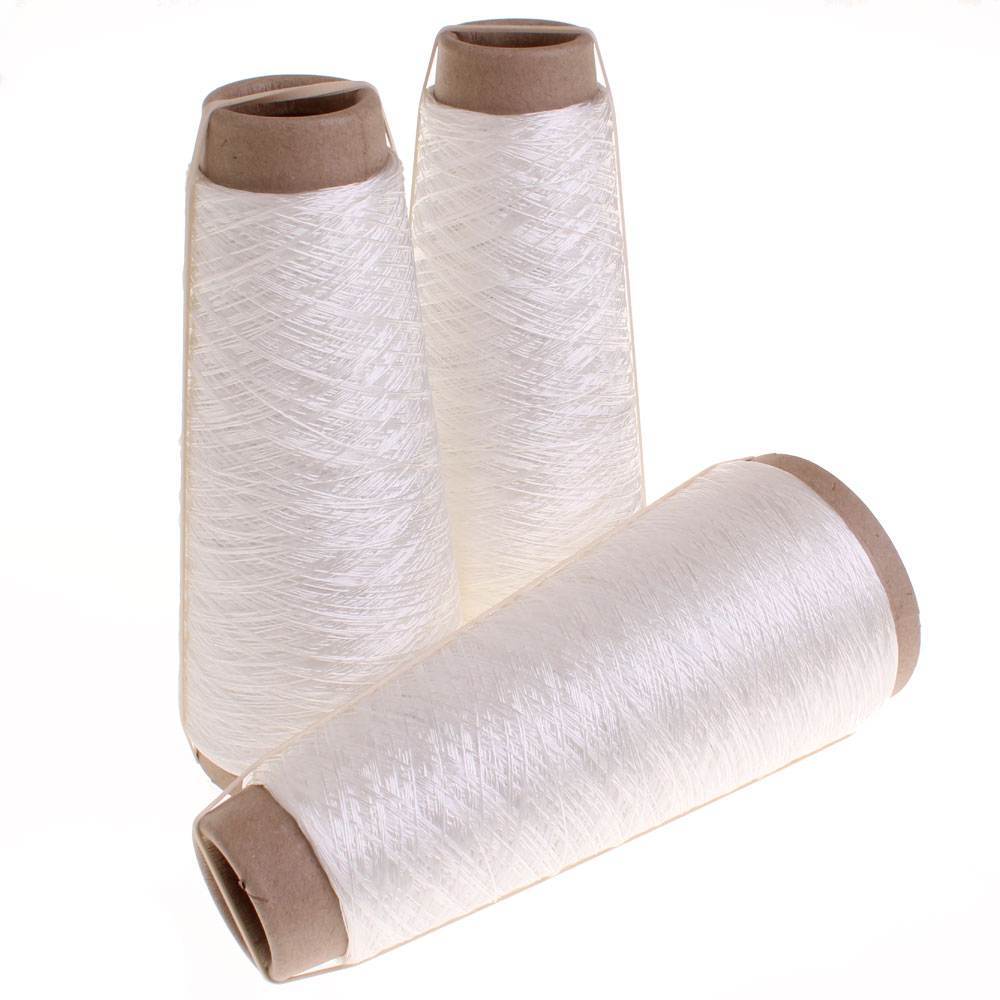
Solvron is a synthetic yarn of the lab,PVA wefamily. It is easily dissolvable by plain warm or hot water with no aid of any chemical agents (therefore not usable for regular garments by itself). It can be used in a number of ways including, for reinforcement or support of low-strength yarn in creating pile, as a separation yarn (draw thread) for knitwear.
More info here.
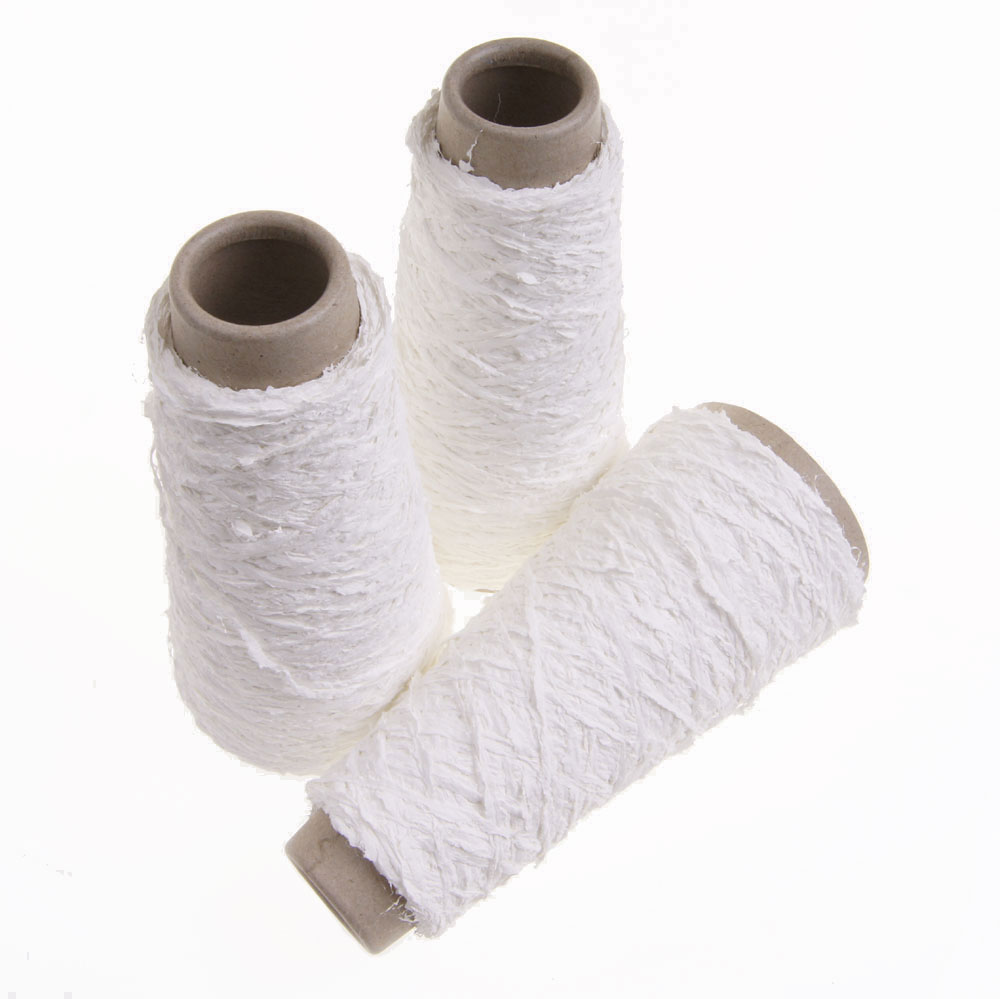
Latex Effect Yarn
A Polyurethane mix fibre that produces the effect of a rubber or paper feel. Hand wash only.
More info here.
Thread
We have a variety of yarnsthreads and(mainly threadsBrother or Madeira) for you to use to practice or for small projects. If you are going to make a large scale project, please buy your own yarn or thread.own.
For yarn, as well as a variety of miscellaneous other yarns such as cotton and mohair. When practicing, start with the lambswool (as it will break when tangled instead of breaking the knitting machine), then move on to other materials once you are competent enough to not regularly get into tangles.
For thread, we have a variety of Brother and Madeira threads.
Madeira silver plated thread
This silver plated thread is highly conductive meaning it can be used to create sewn circuits or embroidered touch sensors. We have two different varieties: HC12 which is thicker and has a resistance of < 100 Ohm/m, and HC40 which is thinner and has a resistance of <300 Ohm/m. If using this on the embroidery machine, use the thinner HC40 thread.
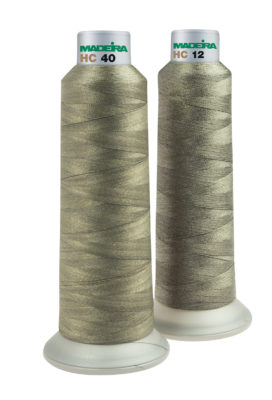
This should only be used for sewing and embroidery, NOT knitting.
Other conductive materials
We have a range of conductive materials that can be used when making eTextiles projects.
-
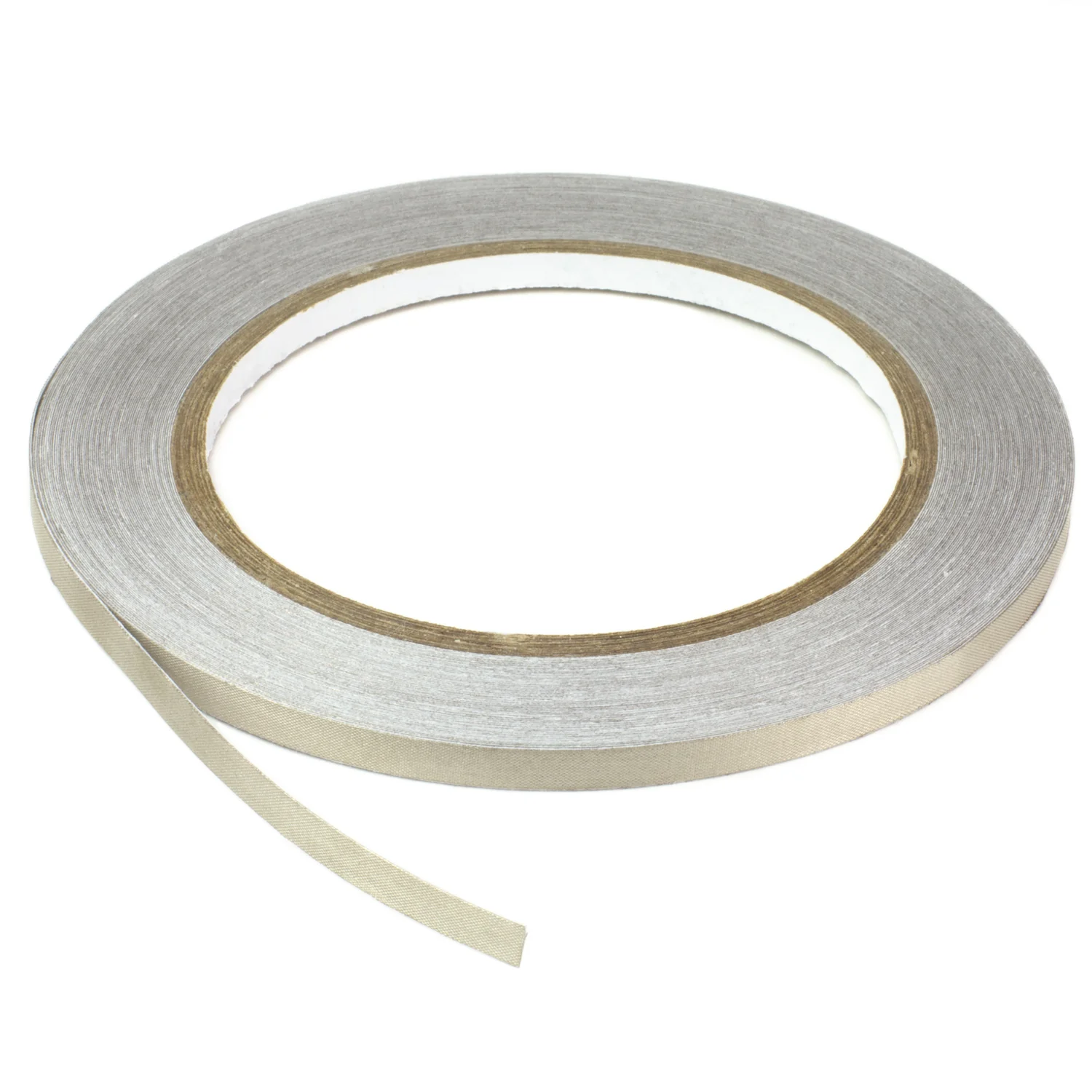
Woven conductive tape
-
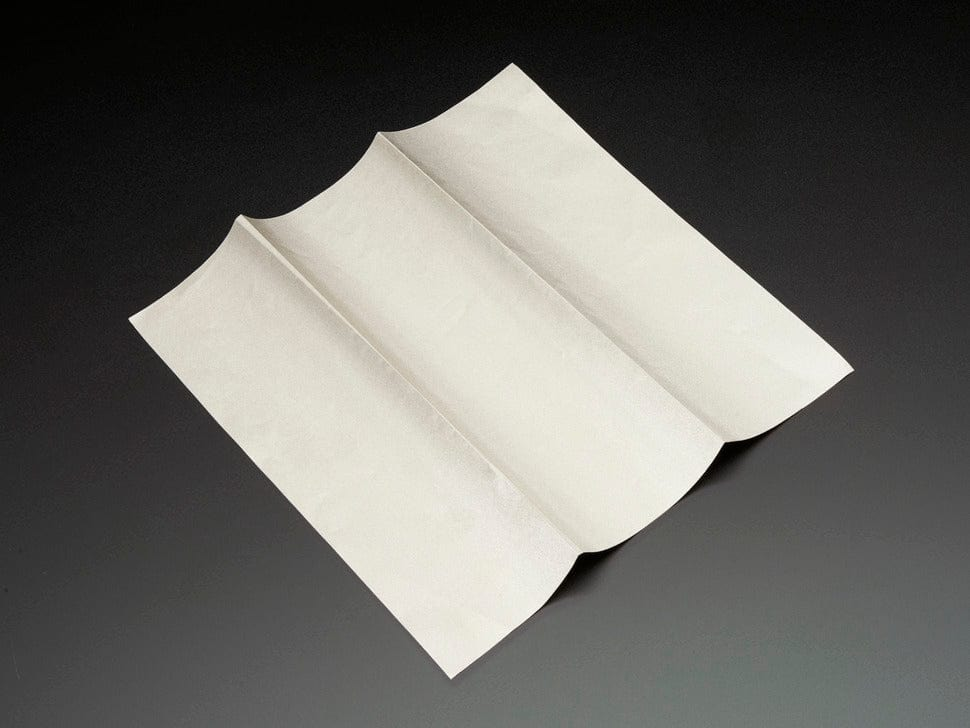
Conductive fabric - has a paper-like texture
-
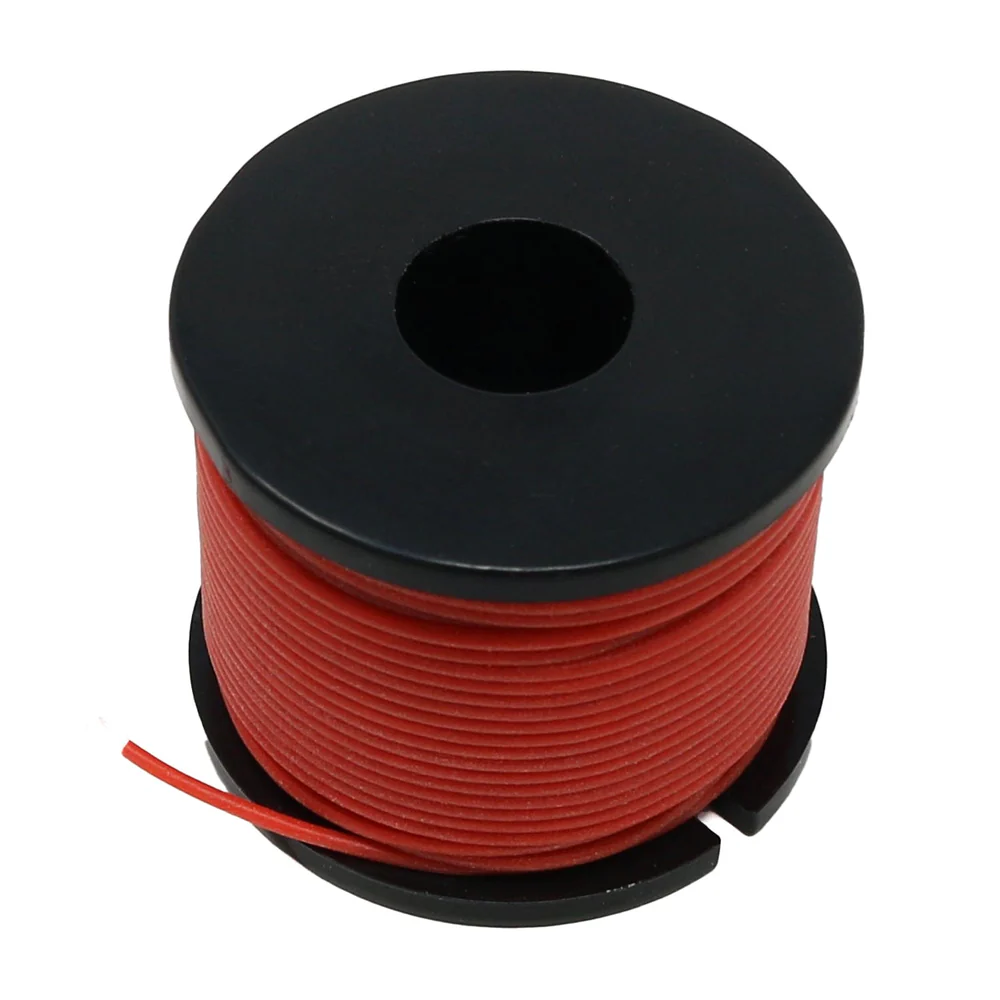
Silicone covered strand-core wire - thinner than regular wire ~1mm
-
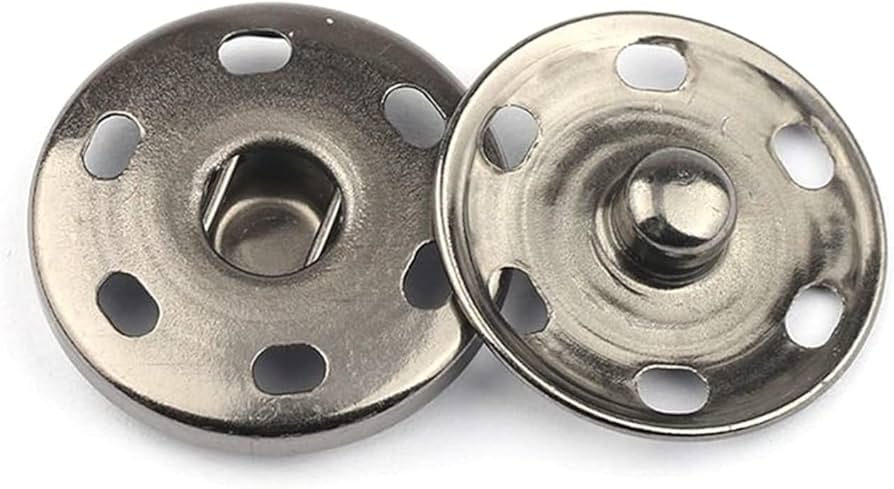
Sewable snaps - these can be used to create connections and switches between conductive materials (see here)
-
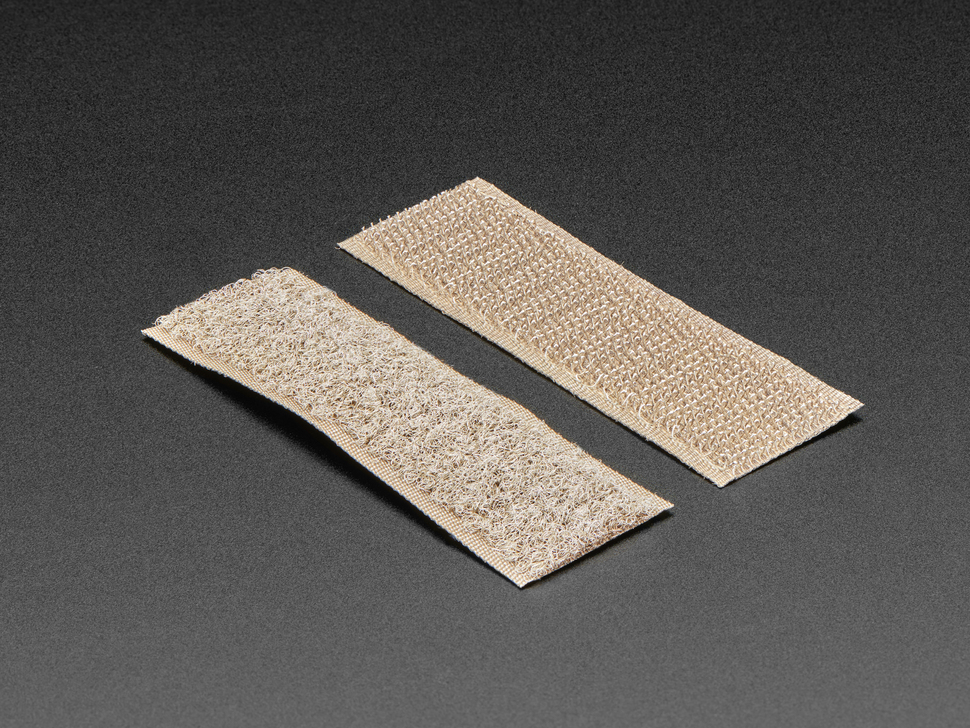
Conductive Velcro - can be used as switches within sewn circuits
-
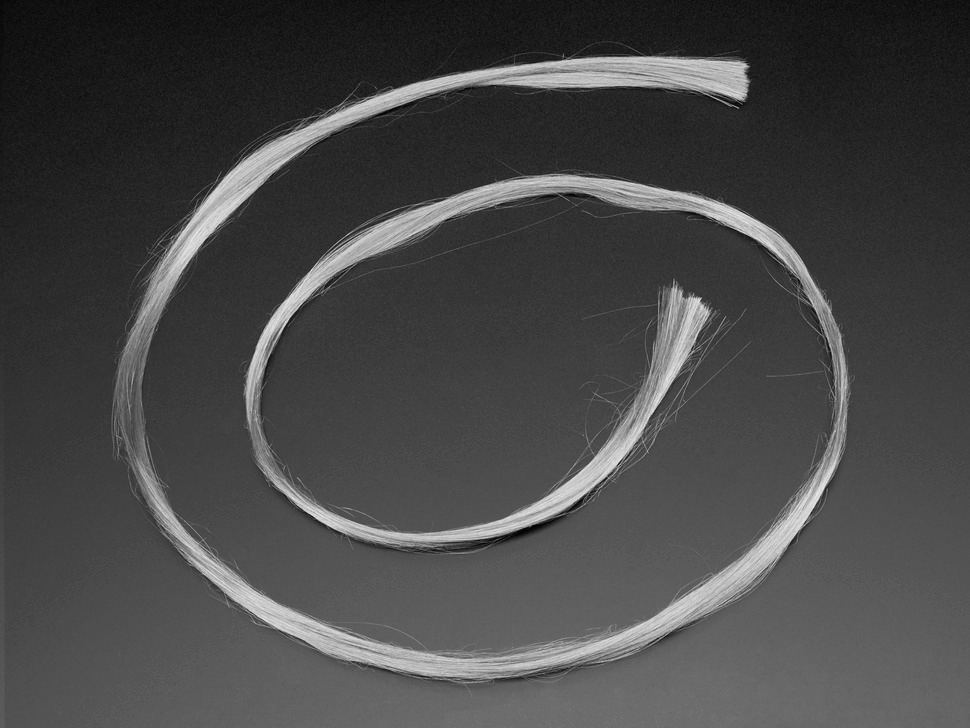
Conductive Fiber (Stainless Steel) - for felting or could be spun into yarn
Sewable components
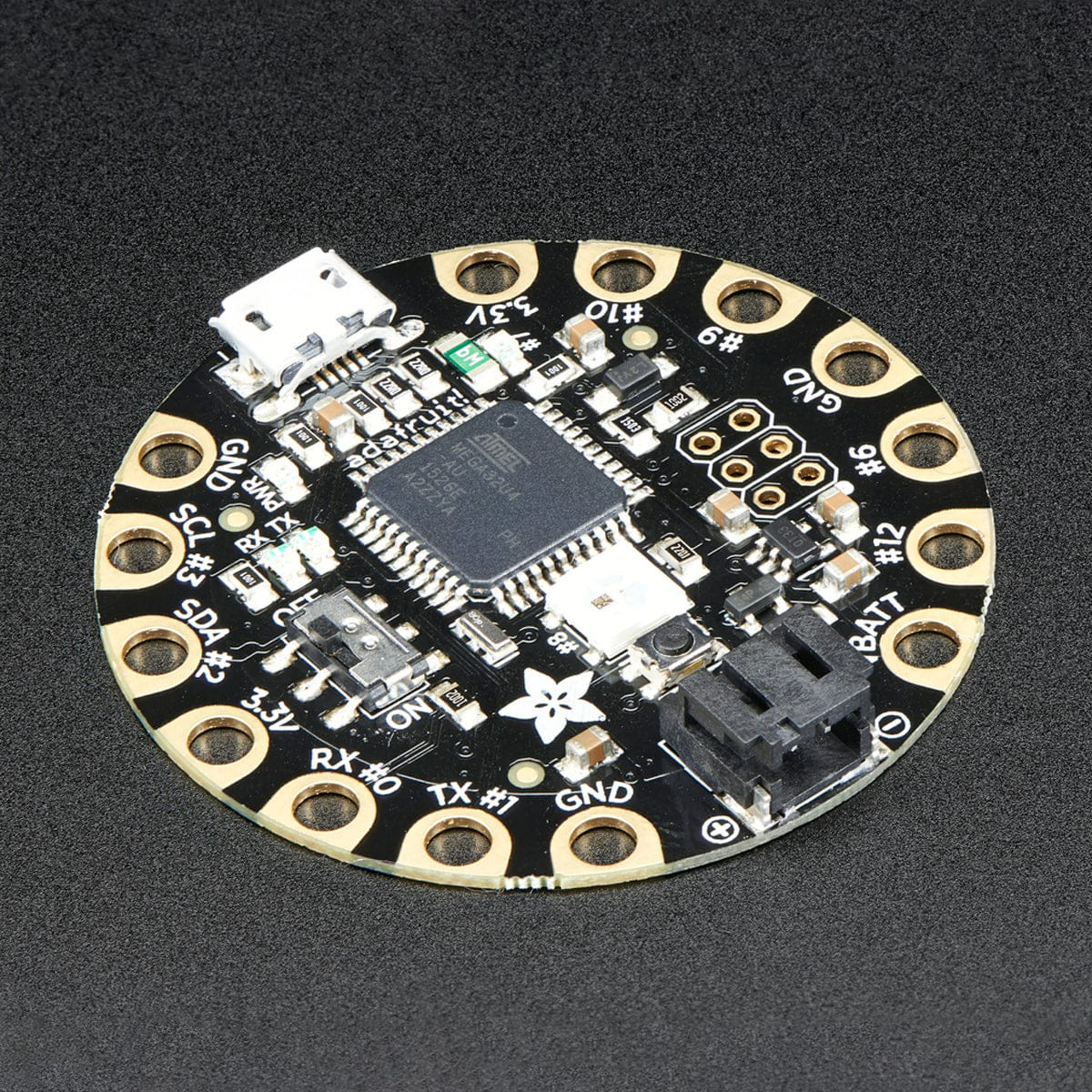
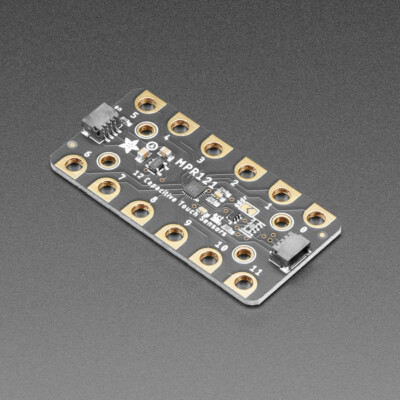
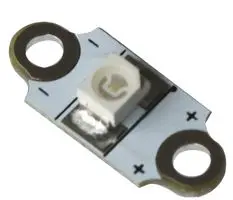
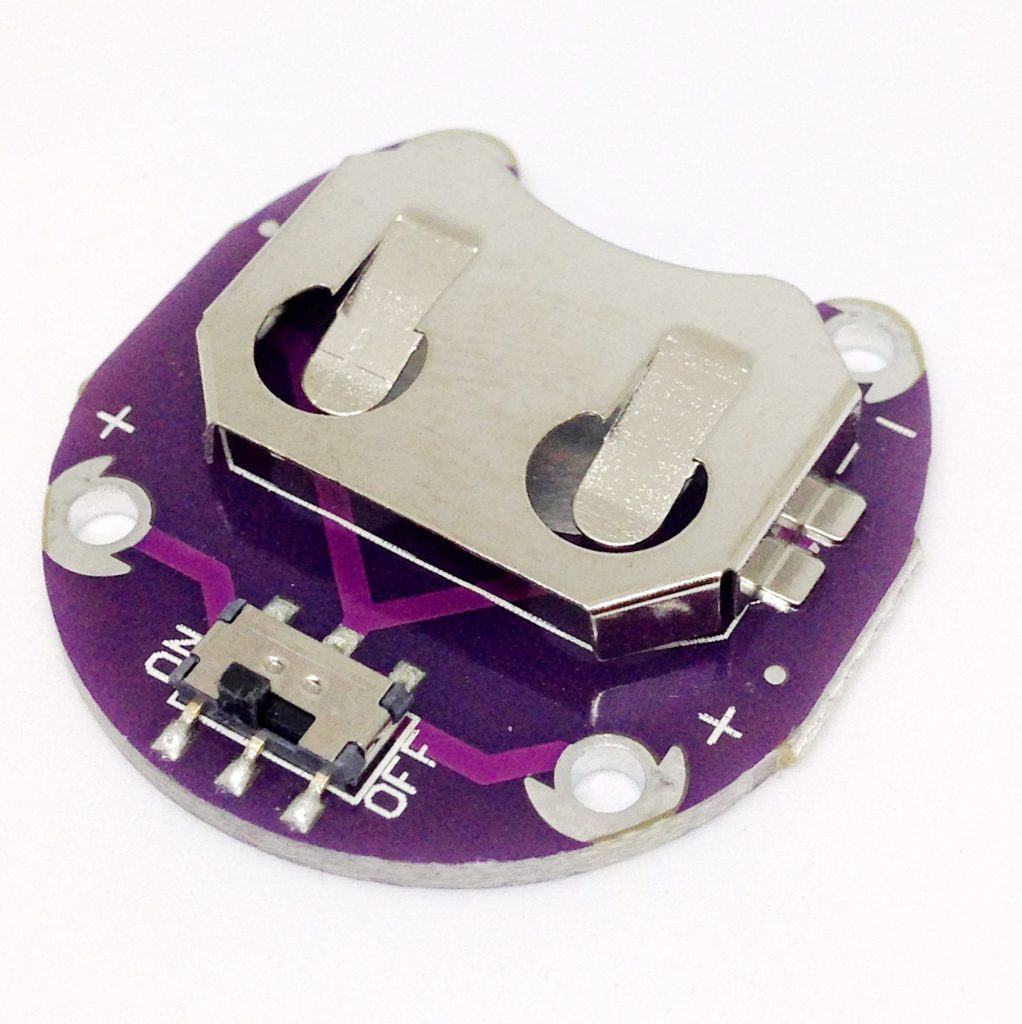
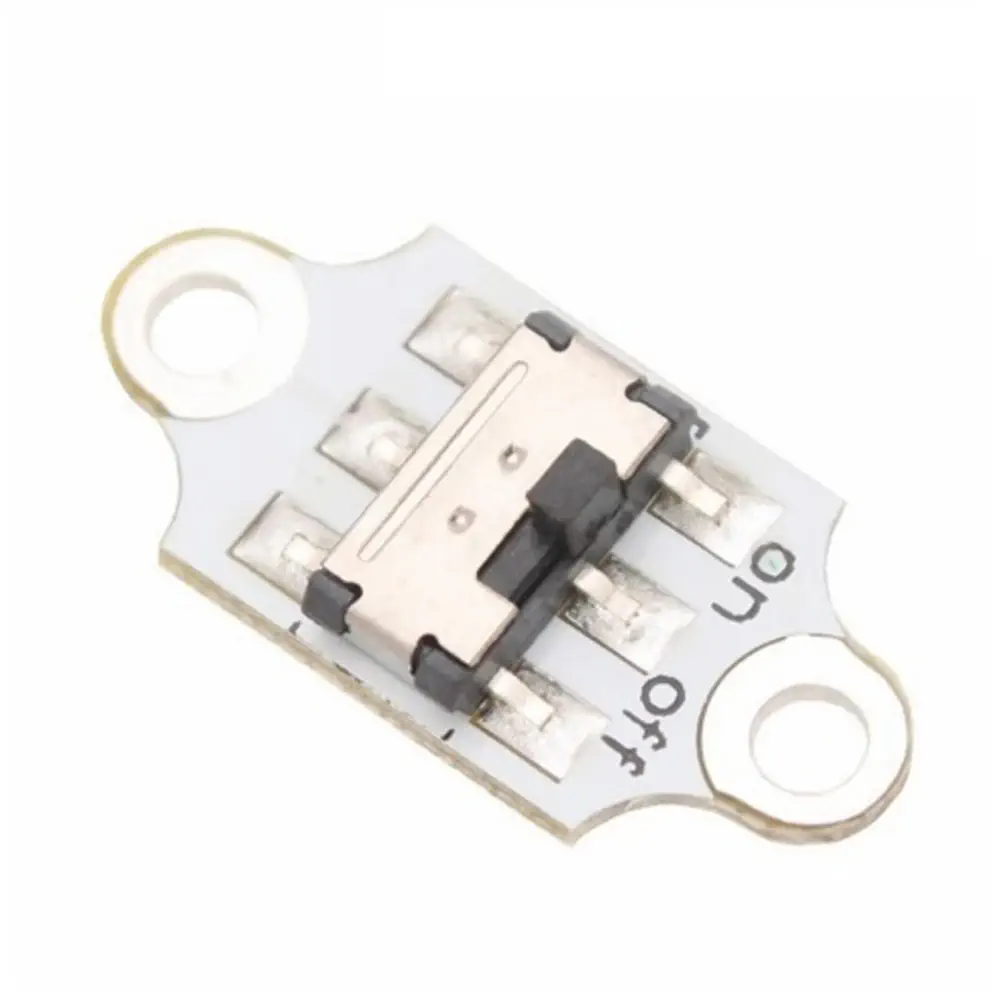
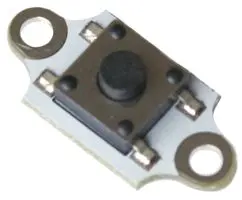
A sewable component is different to a regular one only because of the size of the through holes. For a regular component, these are made to be soldered to standard pins and are usually 2.54mm apart. A sewable component has much larger holes, big enough to fit a needle, that are further apart to stop threads from adjacent pins touching.
In the eTextiles Lab, we have:
-
Adafruit Flora - available from the Greencoat Kitroom
-
MPR121 capacitive touch sensor
-
LEDs
-
Button cell battery holder with switch
-
Switch
-
Button
If you are interested in using any of these components, talk to Rosie or Agnes for help!
Other sewing supplies/materials
- Velcro
- Hemming tape
- Safety pins
- Fabric markers/pencils
- Embroidery floss
- Hand sewing needles
- Sewing pins